Imagine cruising down the Delhi–Jaipur expressway without stopping at a single toll booth — no queues, no barriers, just automatic satellite billing. In February 2021, India’s Union Transport Minister dropped a quiet bombshell: within a few years, highway toll plazas could disappear altogether, replaced by GPS-based tolling. Sounds futuristic, but for India’s congested highways, it could be transformative.
The technology would track vehicles via satellite, automatically charging drivers based on actual distance traveled on tolled roads.
Why India’s Current Toll System Is Broken
Toll plazas cost us more than what we pay at the booths. The average wait time at plazas is 7–10 minutes during peak hours (NHAI data), burning fuel and patience alike. In a country where logistics costs eat up 13–14% of GDP (vs. 8% in advanced economies), such inefficiencies aren’t small inconveniences — they’re economic leaks. GPS tolling promises to plug them by charging vehicles per actual kilometer driven on tolled roads, with no stops, no booths.
Did you know? In 2018, the Indian Foundation of Transport Research and Training estimated that idle fuel wastage at toll plazas alone cost truckers ₹87,000 crore annually.
Beyond Speed: The Fairness Factor
Today, a commuter traveling 20 km may pay the same flat toll as a trucker going ten times the distance. GPS tolling introduces proportional fairness: you pay for what you use. With GPS tracking, charges align with road usage. This shift not only feels fairer to commuters but could also improve compliance by removing incentives to dodge tolls.
Case in point: On the Mumbai–Pune Expressway, short-distance travelers often complain about flat tolls, while long-haul truckers absorb costs into freight. GPS tolling could rebalance that equation.
The FASTag Solution Wasn’t Enough
While FASTag electronic payments eliminated cash transactions, physical infrastructure remains the bottleneck. Vehicles still must slow down, queue up, and pass through designated lanes. GPS tolling removes this friction entirely by tracking vehicles automatically as they use tolled sections.
How GPS Electronic Toll Collection Works
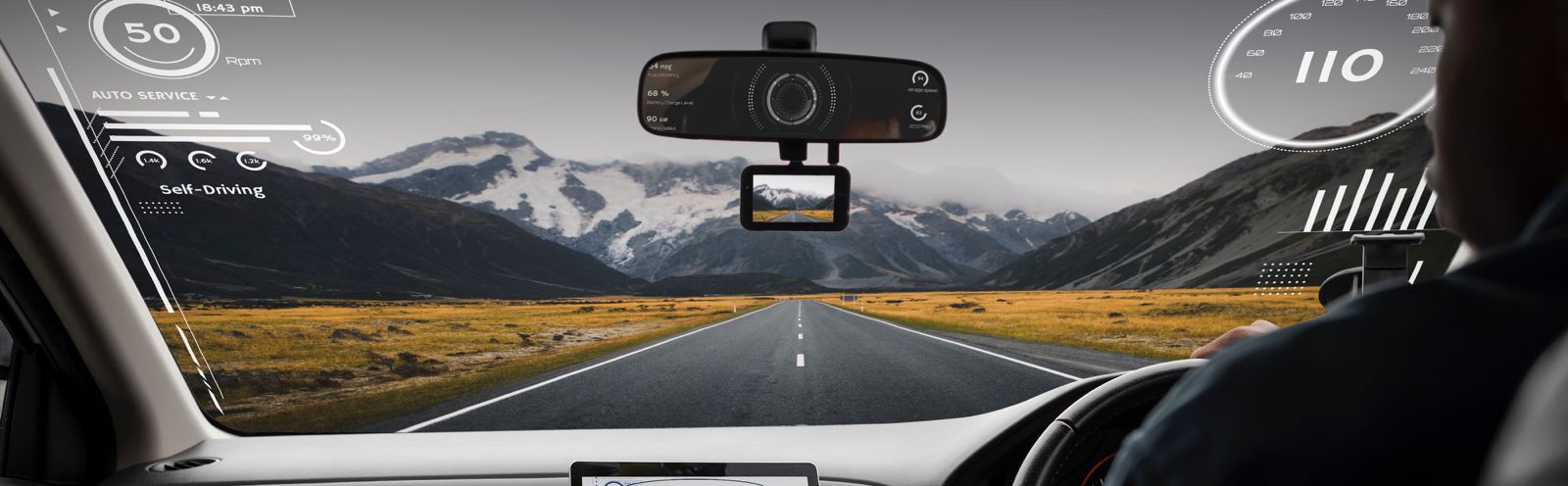
GPS tolling systems use satellite positioning to monitor vehicle movement on designated road networks. When a registered vehicle enters a tolled section, the system begins tracking. Upon exit, it calculates the distance traveled and automatically deducts charges from a linked payment account.
This distance-based charging model offers several advantages over flat-rate systems:
- Fairness: Charges align with actual road usage rather than arbitrary zones
- Efficiency: No physical infrastructure slowing traffic flow
- Flexibility: Dynamic pricing possible based on congestion or road conditions
- Data insights: Real-time traffic patterns for better infrastructure planning
India’s NAVIC Advantage: Homegrown Satellite Navigation
Unlike other countries dependent on US GPS, India has a strategic advantage through NAVIC (Navigation with Indian Constellation), its indigenous satellite navigation system operational since 2018.
NAVIC offers several benefits for GPS tolling implementation:
- Regional accuracy: Better precision within Indian subcontinent compared to global GPS
- Strategic independence: No reliance on foreign satellite systems for critical infrastructure
- Dual-frequency signals: Enhanced accuracy and reliability for commercial applications
- Government mandate potential: Likely preference for indigenous technology in national projects
The integration of NAVIC with existing GPS systems could provide redundancy and improved accuracy, making India’s tolling system more reliable than purely GPS-dependent models used elsewhere.
Global Success Stories: Germany and Singapore Lead the Way
GPS tolling isn’t experimental technology. Several countries have implemented successful systems that India can learn from.
Germany’s Toll Collect System
Since 2005, Germany has used GPS tolling for trucks over 12 tons on federal highways. The system processes over 2 billion transactions annually with 99%+ compliance rates, generating billions in road maintenance revenue while keeping logistics competitive.
Key success factors include robust enforcement, tamper-proof devices, and seamless integration with existing payment systems.
Singapore’s Dynamic Electronic Road Pricing
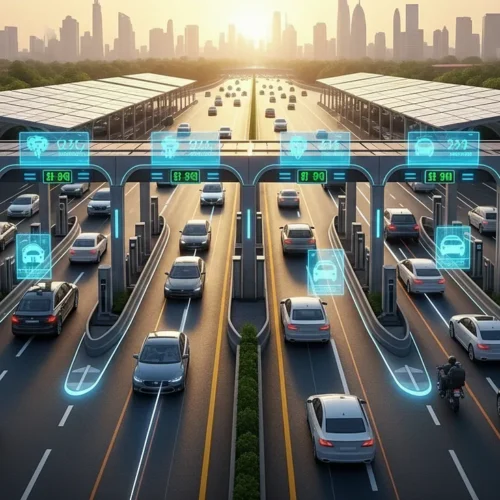
Singapore combines GPS tracking with gantry systems to create dynamic congestion pricing. Charges automatically adjust based on real-time traffic conditions, effectively managing urban congestion while generating infrastructure revenue.
Major Challenges for GPS Tolling in India
Implementing GPS tolling across India’s vast highway network presents unique challenges that require careful planning and execution.
Technology Infrastructure and NAVIC Integration
While India’s NAVIC system provides regional satellite coverage, integrating it with existing GPS infrastructure presents both opportunities and challenges. The system requires robust dual-satellite connectivity, secure data transmission protocols, and seamless integration with India’s banking infrastructure to handle millions of daily transactions.
NAVIC’s coverage currently extends across India and neighboring regions, but ensuring consistent signal strength in mountainous terrain and remote highway stretches remains a technical challenge that could affect tolling accuracy.
Privacy and Surveillance Concerns
Continuous vehicle tracking raises legitimate privacy questions. Citizens worry about government surveillance capabilities and potential misuse of location data. Clear data protection regulations and transparent usage policies will be essential for public acceptance.
Enforcement and Compliance Issues
With 40 million registered trucks and countless private vehicles, ensuring universal compliance is challenging. The system needs robust penalties for GPS device tampering, reliable backup systems for technology failures, and effective enforcement mechanisms in remote areas.
Digital Divide and User Adoption
Many truck drivers and rural vehicle owners lack digital literacy or reliable internet access. The transition requires comprehensive user education, simple interfaces, and support systems for non-tech-savvy users.
Economic Impact of GPS Tolling Implementation
Successful GPS tolling could deliver significant economic benefits beyond eliminating toll plaza delays.
Reduced Logistics Costs
Eliminating toll plaza wait times could reduce trucking costs by 3–5%, making Indian exports more competitive globally. Time savings translate directly to reduced fuel consumption, driver wages, and vehicle maintenance costs.
Improved Infrastructure Funding
Distance-based tolling provides more accurate usage data, enabling better infrastructure investment decisions. Revenue collection becomes more efficient and transparent, with reduced leakage from cash transactions.
Environmental Benefits
Eliminating stop-and-go traffic at toll plazas reduces vehicle emissions and fuel wastage. Smoother traffic flow on highways contributes to lower overall transportation carbon footprint.
Timeline and Implementation Strategy
The government plans to pilot GPS tolling on select highway stretches before nationwide rollout. Key implementation phases likely include:
- Pilot Projects (2024–2025): Testing on major expressways like Delhi-Mumbai
- Commercial Vehicle Focus (2025–2026): Mandatory implementation for trucks and buses
- Gradual Expansion (2026–2028): Extension to private vehicles and secondary highways
- Full Integration (2028–2030): Complete replacement of traditional toll systems
What Drivers Need to Know
As GPS tolling development progresses, vehicle owners should prepare for several changes:
- Mandatory NAVIC-GPS devices: All vehicles using tolled highways will need approved tracking units supporting both NAVIC and GPS signals
- Linked payment accounts: Bank accounts or digital wallets must be connected for automatic deductions
- Usage monitoring: Detailed travel records will be maintained for billing and compliance
- Privacy settings: Users may have options to control data sharing and retention
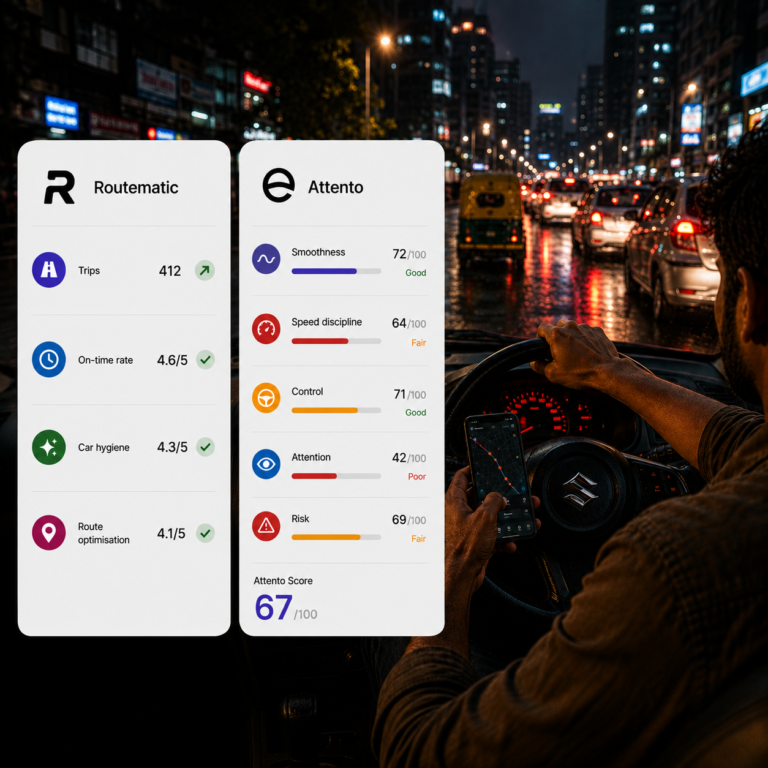
Technologies like Attento are already demonstrating how smartphone-based vehicle tracking can work seamlessly, suggesting that GPS tolling implementation may be more straightforward than initially expected.
The Road Ahead for Indian Highways
GPS tolling represents more than technological upgrade — it’s an opportunity to reimagine how India funds and manages its highway infrastructure. Success depends on balancing efficiency gains with privacy protection, ensuring equitable access across digital divides, and maintaining public trust through transparent implementation.
The question isn’t whether GPS tolling will come to India — global trends and economic pressures make it inevitable. The real challenge is executing the transition smoothly enough to realize the promised benefits without creating new problems.
For Indian drivers, the next decade will likely bring the end of toll plaza queues and the beginning of invisible, distance-based highway charging. The technology is ready — now it’s up to policy makers and implementation teams to deliver.